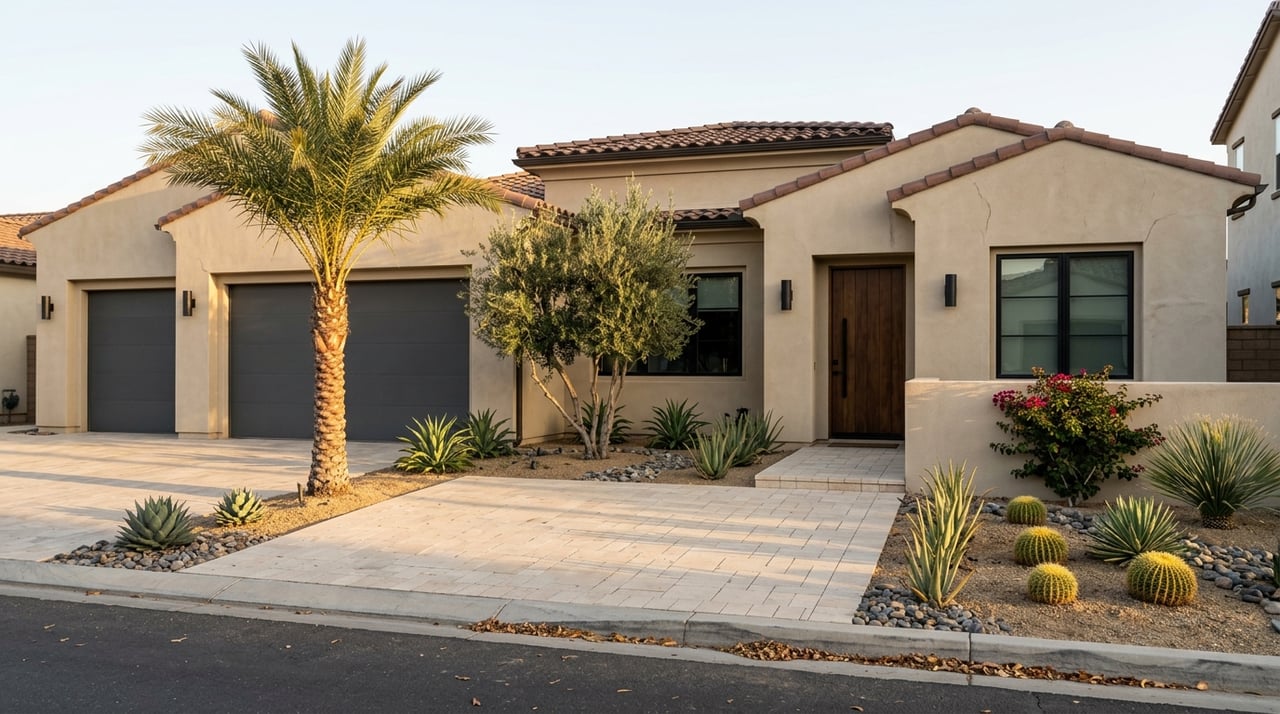
Trying to decide between a brand-new home and a resale home in Santa Clarita? It is a common question, and the right answer depends on how you want to live, what costs you want to plan for, and how much flexibility you need during the buying process. In a market like Santa Clarita, where long-established neighborhoods sit alongside active new developments, your decision is rarely just about age. Let’s break down the real differences so you can compare your options with more clarity and confidence.
Why Santa Clarita Makes This Choice Unique
Santa Clarita gives you a little of both worlds. The city includes long-established communities like Valencia, Saugus, Newhall, and Canyon Country, while also continuing to grow through newer planned developments.
That matters because your choice is not simply "old versus new." In Santa Clarita, you may be comparing a recently built attached home with amenities against a resale single-family home in an established tract, or a builder-fresh home against a property that has already been updated over time.
The city also offers more than 13,000 acres of open space and 100 miles of interconnecting trails, which helps explain why many buyers look closely at both newer master-planned areas and older neighborhoods when deciding where they want to put down roots.
New Construction in Santa Clarita
New construction in Santa Clarita ranges from attached homes to larger detached properties. Current examples include Valencia by FivePoint, Tesoro Highlands, Sage at Sand Canyon, and Trenton Heights, with pricing that can start from the mid-$500,000s and extend into the low $1.4 millions depending on the community and home type.
Many of these communities are designed around a collection-based approach. You will often see standardized floor plans, open-concept layouts, and a menu of plan types that can include paired, duplex-style, attached, and detached homes.
What New Homes Often Offer
A major draw of new construction is the more current finish level. Builders often highlight modern interiors, energy-efficient construction, and in some communities, included upgrade packages.
Some builders also offer personalization options. Depending on the stage of construction, you may be able to select certain floor plan features, exterior elevations, or design finishes rather than inheriting someone else’s choices.
California energy rules also shape what you are buying. Newly constructed buildings are prescriptively required to include solar PV systems, which gives many new homes a more up-to-date energy baseline from day one.
Amenities and HOA Considerations
Newer communities in Santa Clarita often come with amenity packages. Pools, trails, parks, sports courts, and clubhouses are common features in planned developments.
Those amenities usually come with HOA dues, and that cost is typically separate from your mortgage payment. For example, a current local listing for Sage at Sand Canyon shows approximate HOA fees of $322 per month, which is a useful reminder to compare the full monthly cost, not just the purchase price.
New Construction Timelines
The timing on a new-build purchase can vary more than many buyers expect. Some homes are move-in ready, while others are still under construction or not yet released.
In some cases, you may sign a purchase contract before the home is complete and wait for construction to finish. In others, you may be able to close on standing inventory much faster.
A Cost Buyers Sometimes Miss
In Los Angeles County, new construction can trigger a supplemental assessment once construction is completed. That can lead to a supplemental property tax bill on top of the regular property tax bill.
This is one of the most important budgeting items to review before writing an offer on a new home. It does not always get the same attention as price, upgrades, or HOA dues, but it can affect your real monthly and annual housing costs.
Resale Homes in Santa Clarita
Resale homes in Santa Clarita span decades of development. Because the city’s major neighborhoods have been growing and evolving for years, the resale market can include homes in original condition, partially updated homes, and fully renovated properties.
That gives you more variation from one listing to the next. Instead of choosing from a builder’s package, you are evaluating the actual condition, layout, lot, and improvements that exist today.
What Resale Homes Often Offer
One of the biggest advantages of resale is variety. In established Santa Clarita neighborhoods, lot size, layout, and overall feel can differ more than they do in newer builder collections.
According to the city’s Housing Element, single-family lots generally vary from about 5,000 to 12,000 square feet in low- to medium-density zones. That does not mean every resale home has a larger lot, but it does mean your options may be less standardized and more neighborhood-specific.
Condition and Maintenance Matter More
With resale, finish level can vary widely. A home may have a remodeled kitchen and newer windows, but an older roof or aging HVAC. Another may be beautifully maintained yet mostly original.
That is why inspections are so important. In a resale purchase, you are buying the home in its current condition, and once you own it, repairs and maintenance become your responsibility.
HOA Rules Can Still Apply
Some buyers assume resale means no HOA, but that is not always true in Santa Clarita. A resale home may still be governed by HOA rules or CC&Rs, depending on the tract.
That means you still need to review governing documents, dues, common-area responsibilities, and property-use rules before moving forward. Whether the home is new or resale, this step matters.
Resale Timelines Are Usually More Predictable
Because the home already exists, resale timing is often more inspection-driven than construction-driven. The key milestones are usually offer acceptance, inspections, appraisal, repair negotiations, final walk-through, and closing.
That can make the timeline feel more straightforward for buyers who need a clearer move-in plan. There are still variables, but you are not also waiting on a construction schedule.
New Construction Vs Resale: What to Compare
If you are deciding between the two, focus on how each option fits your budget, timeline, and comfort level with repairs or customization.
Layout and Lot Size
New construction tends to offer more uniform floor plans and collection-based choices. Resale homes often give you more variation, especially if you want a certain tract, a different lot configuration, or a home that has already been remodeled.
Finish and Upkeep
New homes usually reduce immediate repair exposure and offer a more current baseline finish. Resale homes may offer strong value, but you should budget carefully for updates, maintenance, and any deferred repairs.
Monthly Cost
List price is only one part of the picture. You also want to compare HOA dues, property taxes, insurance, utility expectations, and possible maintenance costs.
For new construction in Los Angeles County, be sure to factor in the possibility of a supplemental property tax bill. For resale, think realistically about repair reserves and future improvement costs.
Negotiation Style
New construction and resale homes often call for different negotiation strategies. With new construction, the conversation may center more on homesite premiums, included features, upgrades, and builder contract terms.
With resale, negotiation often revolves around inspection findings, repair requests, seller credits, and timing. The structure is different, which is why preparation matters.
Which Option May Fit You Best?
If you want modern finishes, energy-efficient construction, community amenities, and fewer near-term repair projects, new construction may be a strong fit. It can also appeal to buyers who like the idea of choosing from available plans and design options.
If you want more neighborhood variety, a less standardized setting, or the chance to find a home with specific updates or lot characteristics, resale may make more sense. It can also be the better path if you want to see exactly what you are buying before moving forward.
In Santa Clarita, neither option is automatically better. The right choice depends on what trade-offs feel worth it to you.
Why Local Guidance Matters
Comparing new construction and resale is not just about square footage or finishes. It is about understanding total monthly cost, reviewing HOA documents, watching deadlines, and knowing where hidden costs may show up.
That is where strong local guidance can make a real difference. A knowledgeable Santa Clarita real estate team can help you compare builder terms with resale disclosures, estimate true ownership costs, and keep your timeline on track from offer to closing.
If you are weighing new construction versus resale in Santa Clarita, talking through your budget, timeline, and must-haves can save you time and help you make a more confident move. When you are ready for thoughtful, local guidance, connect with Bri King.
FAQs
Are new construction homes in Santa Clarita required to have solar?
- Yes. California energy rules prescriptively require solar PV systems for newly constructed buildings.
Do Santa Clarita new construction HOA dues get paid with the mortgage?
- Usually no. HOA dues are generally paid separately from the mortgage.
Can a Santa Clarita resale home still have an HOA?
- Yes. A resale home can still be governed by HOA rules or CC&Rs, so you should review those documents carefully.
Is new construction or resale faster to close in Santa Clarita?
- It depends. Resale is usually more inspection-driven, while new construction timelines can vary based on whether the home is move-in ready, under construction, or not yet complete.
What extra tax cost should buyers watch for with Santa Clarita new construction?
- In Los Angeles County, new construction can trigger a supplemental assessment and a supplemental property tax bill after completion.
What should buyers compare beyond price in Santa Clarita?
- Compare total monthly cost, HOA dues, property taxes, insurance, maintenance expectations, lot and layout differences, and the expected closing timeline.