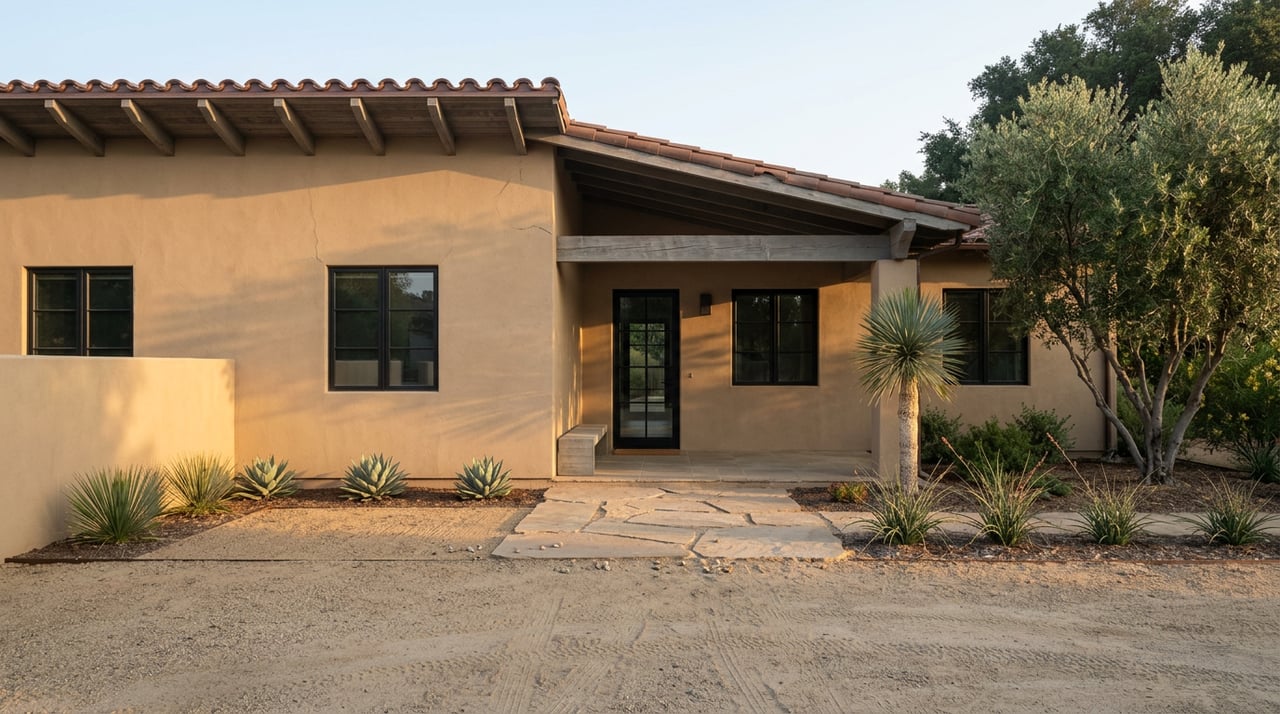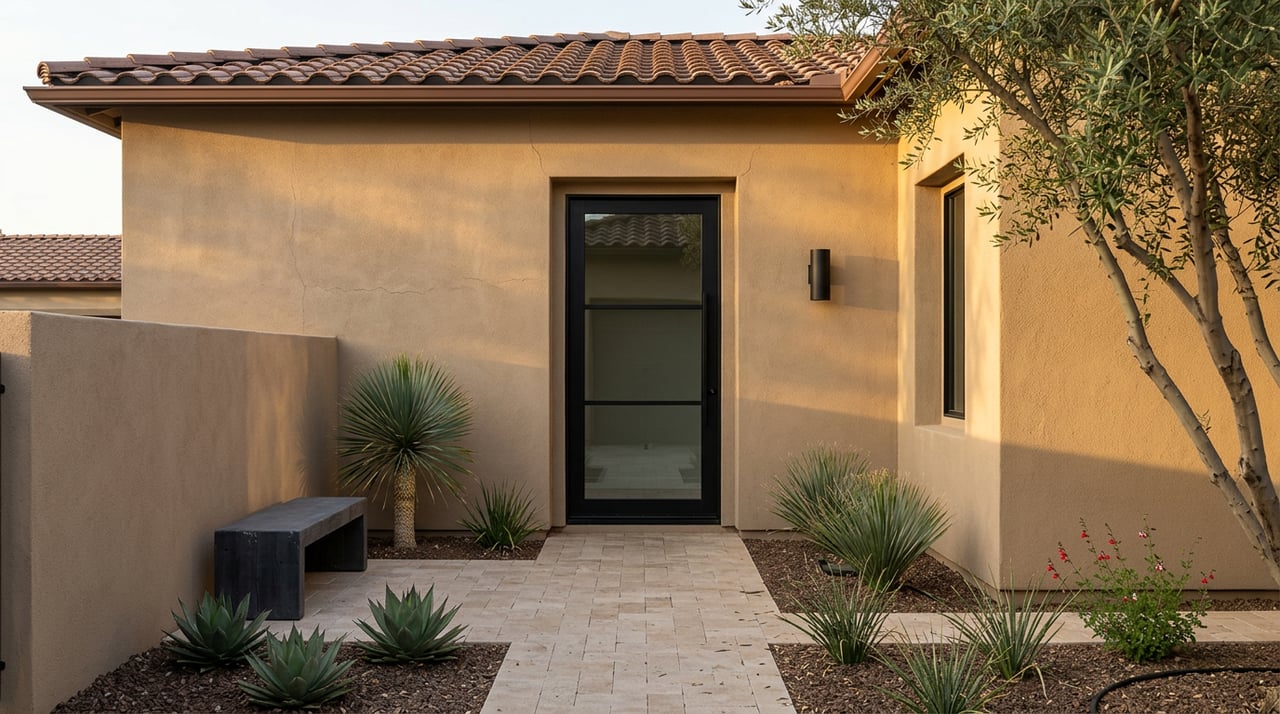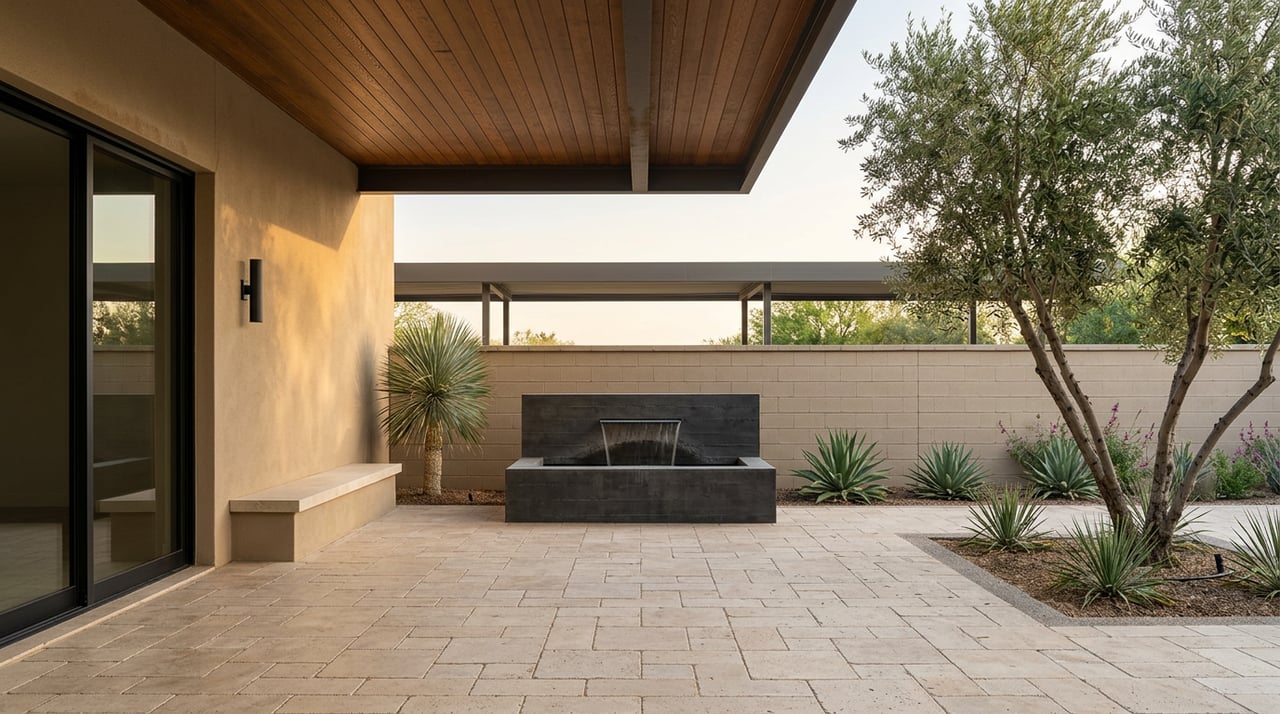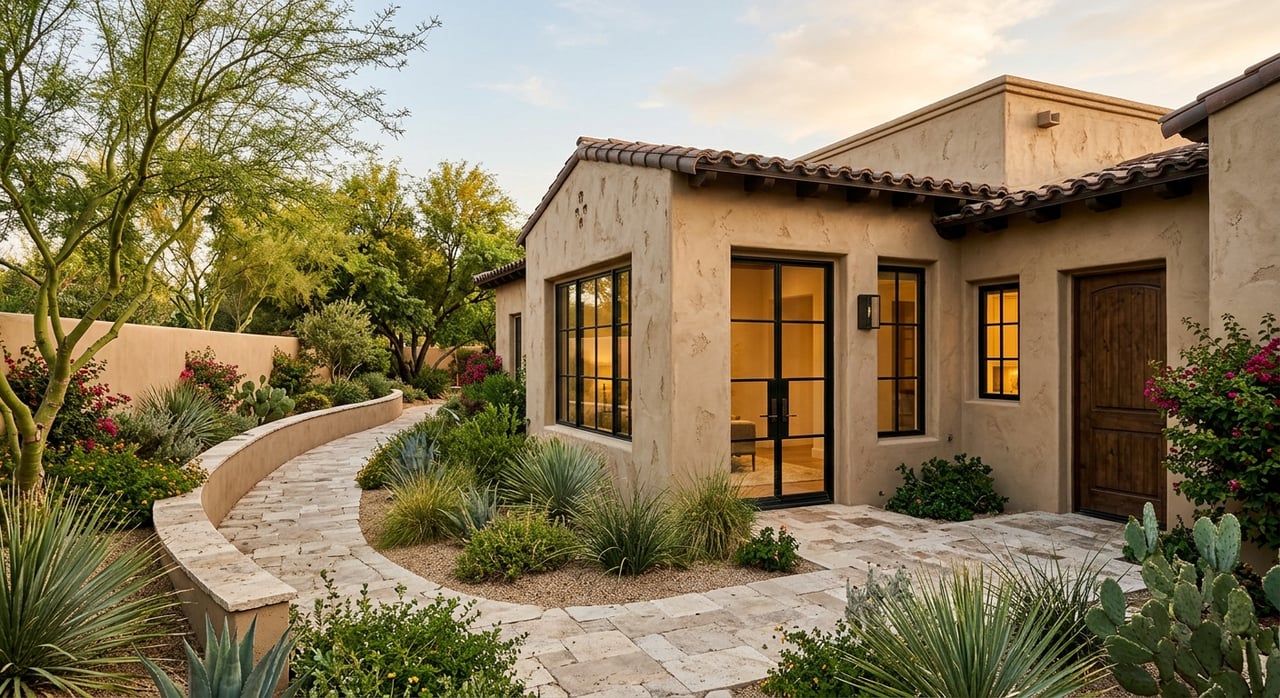
Dreaming about fresh eggs, a garden, a workshop, and room to breathe in Agua Dulce? Acreage can open the door to that lifestyle, but raw land and semi-rural parcels come with more moving parts than many buyers expect. If you want to plan a homestead with confidence, it helps to understand how access, grading, fire review, water, and wastewater all fit together before you buy. Let’s dive in.
Start With County Planning
Agua Dulce is in unincorporated Los Angeles County, so your first stop is usually County Planning, not a city planning department. That matters because mailing addresses can be misleading, and the right jurisdiction check can save you time early in the process.
County Planning also offers GIS-NET Public and a jurisdiction lookup tool for unincorporated areas. If you are evaluating acreage for a homestead, these tools can help you confirm the parcel context before you get too attached to a layout or building idea.
Think Beyond the House
On Agua Dulce acreage, the house is only one part of the plan. Before a build can move forward, the site usually needs to work as a complete system that includes access, grading, fire review, water supply, and wastewater disposal.
That is why smart buyers look at the whole property plan early. Instead of treating these as after-closing details, it is better to ask upfront whether the parcel can realistically support the way you want to live.
Plan the Site Layout Early
A practical homestead layout often starts with the building pad. From there, you need to think about where the driveway goes, how vehicles turn around, where storage fits, and how much space you want for gardens, tanks, and future structures.
This early layout work can affect both usability and approvals. A parcel may look spacious on paper, but the real question is whether the land works well once you factor in setbacks, access, and safety needs.
Leave Room for Defensible Space
Wildfire planning is a core part of buying acreage in Agua Dulce. Los Angeles County Fire describes this region as part of a wildfire-prone wildland-urban interface, and fuel modification plans have been required in County fire hazard zones since 1996.
County Fire guidance references up to a 100-foot defensible-space radius around the home, and in some situations up to 200 feet may be required. Fire guidance also recommends keeping woodpiles, propane tanks, and other combustible materials about 30 feet from homes and from secondary structures like garages, barns, and sheds.
Review Barns and Workshops Upfront
If your homestead vision includes a barn, workshop, shed, or similar outbuilding, review those plans early. In Fire Hazard Severity Zones, Los Angeles County Fire says new construction, substantial remodels, and certain outbuildings and accessory structures over 120 square feet can require Fuel Modification Plan approval before related land-use or building approval is issued.
That means accessory structures are not always simple add-ons. If they are part of your long-term plan, it is wise to account for them during your initial due diligence.
Grading Is a Major Decision
Sloped or uneven land can be appealing, but grading is not something to treat casually. If the parcel needs cut, fill, or a new building pad, Los Angeles County Public Works treats grading as a permit matter.
Public Works says no building permit may be issued for a structure affected by unpermitted grading until the necessary grading permits are obtained. Even when a site has an active grading permit, the building site must be inspected and signed off at rough grade before the building permit is issued.
Ask About Existing Pads
One of the most useful questions you can ask is whether there is an existing permitted building pad. If not, you may be looking at a longer approval path, added engineering, and extra site-prep costs.
For buyers, this is one of those details that can shape both timeline and budget. A parcel that appears ready may still need significant work before vertical construction can begin.
Access Matters More Than You Think
Long driveways and private roads are common on acreage, but they need more than a rough path through the property. County private-drive guidelines are designed to preserve emergency-vehicle access, and private drives are privately maintained rather than transferred to County maintenance.
In practical terms, that means access roads should be engineered, not improvised. Depending on the parcel, County review, a civil engineer, and a soils consultant may all be part of the process.
Check Driveway Functionality
When you tour a property, think beyond whether you can simply drive in. Ask whether fire and emergency vehicles can reach the home and outbuildings with the current driveway width, gate setup, and address visibility.
That question matters for daily ease and for future approvals. A beautiful site can become much more complicated if access does not align with County standards.
Verify Water Before You Commit
Water is one of the biggest due-diligence items for an Agua Dulce homestead. You will want to know whether the parcel uses a private well or a public system, and what kind of testing or backup supply already exists.
For private wells, Los Angeles County’s Drinking Water Program reviews and permits private and municipal wells in the county. County guidance also says the well owner is responsible for water safety and recommends routine testing for nitrate, coliform bacteria, and primary inorganic chemicals such as arsenic, lead, and copper.
Match Water to Your Lifestyle
If you plan to garden, keep animals where permitted, or simply want a more self-sufficient property, water reliability becomes even more important. It is not just about whether water exists, but whether the source supports your intended use and ongoing maintenance expectations.
This is one area where asking detailed questions early can help you avoid expensive surprises later. On acreage, utility decisions often shape the entire property plan.
Understand Septic and Wastewater Limits
Wastewater is another major gatekeeper. In unincorporated Los Angeles County, the Department of Public Health reviews onsite wastewater treatment systems under the Local Agency Management Program.
Septic capacity should match your intended home size and any future accessory dwelling unit or guest space. If the system is only approved for a smaller setup, wastewater limitations can affect your ability to expand later.
Plan for Future Use
Even if you are only thinking about a main house today, it is smart to ask about tomorrow. If your long-term vision includes extra living space or additional improvements, the approved wastewater capacity may influence what is possible.
That is why homestead planning works best when you think a few steps ahead. What fits your first year on the property may not be enough for your five-year plan.
Build Resilience Into Daily Life
On acreage, convenience and emergency readiness often overlap. County Fire advises homeowners to know the locations of gas, electric, and water shutoffs and to keep multiple garden hoses long enough to reach any area of the property.
Those details may sound simple, but they are part of what makes a rural-style property function well. The best homestead setups support both everyday living and fast response when conditions change.
Assemble the Right Team Early
A strong acreage-buying process usually involves more than a lender and a home inspector. Based on County grading rules, private-drive guidelines, and fire-access requirements, a parcel may also need input from a surveyor, civil engineer, geotechnical or soils consultant, septic designer, and possibly a road designer familiar with County standards.
This is especially important when a property has a long private road, uneven terrain, or unclear utility details. Bringing in the right professionals early can help you understand feasibility before you commit.
Confirm the Correct Fire Office
For Agua Dulce, the area falls under the Santa Clarita North Regional Office in County Fire’s office list. Buyers should confirm which office is handling the parcel before finalizing a site plan or closing escrow.
That extra check can help surface questions about access, defensible space, or fuel modification before they become last-minute issues. In a market like Agua Dulce, local guidance matters.
A Smart Agua Dulce Due-Diligence Checklist
If you are planning a homestead on Agua Dulce acreage, keep these questions in front of you:
- Is there an existing permitted building pad, or will grading be required?
- What is the water source, and what testing or backup supply already exists?
- Is the septic or onsite wastewater system approved for the number of bedrooms you want?
- Could future guest space or an ADU be limited by wastewater capacity?
- Can emergency vehicles reach the home and outbuildings with the current access setup?
- Will barns, workshops, fences, or other additions trigger fire review or fuel-modification conditions?
- Are private-drive or road improvements likely to require County engineering review?
Acreage can offer flexibility, privacy, and a rewarding long-term lifestyle, but the best outcomes usually start with careful planning. If you want help evaluating Agua Dulce land or understanding how a parcel fits your goals, Bri King brings local insight and a no-pressure approach to every step.
FAQs
What makes homestead planning in Agua Dulce different from buying a standard house?
- Agua Dulce acreage often requires early review of access, grading, fire safety, water, and wastewater, since the site itself can affect whether and how you build.
Which local agency handles land-use questions for Agua Dulce acreage?
- Because Agua Dulce is in unincorporated Los Angeles County, County Planning typically handles land-use questions rather than a city planning department.
Why is wildfire planning so important for Agua Dulce homesteads?
- Los Angeles County Fire identifies the area as wildfire-prone, and defensible space, fuel modification, and access can all be central parts of parcel planning.
Do barns and workshops on Agua Dulce acreage need extra review?
- They can, because in Fire Hazard Severity Zones certain outbuildings and accessory structures over 120 square feet may require Fuel Modification Plan approval.
What should you verify about water on an Agua Dulce parcel?
- You should confirm whether the property uses a private well or public system, and review testing, permitting, and any existing backup water information.
Can septic capacity limit future plans on Agua Dulce acreage?
- Yes, because onsite wastewater approval should match the intended home size and any future guest space or ADU, and limited capacity can restrict later expansion.