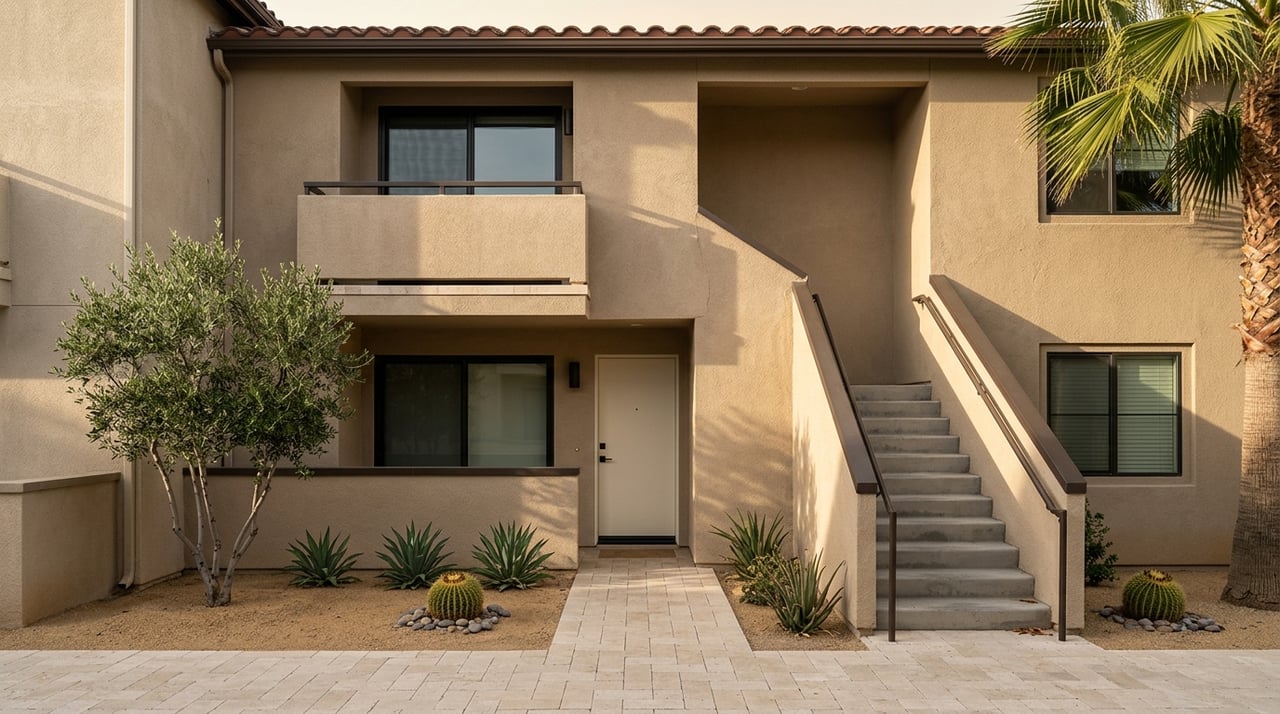
Buying your first home in Santa Clarita can feel like a math problem with emotions attached. You want something affordable, practical, and comfortable, but you also do not want to make a mistake on monthly costs or choose a community that does not fit your daily life. If you are looking at Canyon Country condos, this guide will help you understand pricing, what you can expect to get, and the due diligence that matters most before you write an offer. Let’s dive in.
Why Canyon Country Stands Out
For many first-time buyers, Canyon Country is one of the more accessible entry points in the Santa Clarita Valley. Recent market data puts Canyon Country home values below Santa Clarita’s broader average, with Zillow showing an average home value of $758,507 in Canyon Country compared with $802,780 across Santa Clarita.
That gap matters because attached homes often come in at a much lower price point than detached houses. Current condo examples in Canyon Country range from about $329,999 for a 1-bedroom unit to around $640,000 for a larger 3-bedroom condo, while townhomes currently start around $449,999 and reach the high $600,000s.
The broader valley context supports that value story. Southland Regional Association of Realtors reported a 2025 annual median condominium price of $562,000 for the Santa Clarita Valley, down 2.6% year over year. For a first-time buyer, Canyon Country can offer a way to stay in the area without jumping straight into detached-home pricing.
What the Market Looks Like
Canyon Country does not look like a runaway seller market right now. Redfin reports a median sale price of $755,000 last month for the neighborhood overall, down 5.6% year over year, with homes typically staying on the market for about 70 days and receiving around 3 offers.
That softer pace can be helpful if you are buying your first place. You may have a little more room to compare options, review disclosures carefully, and avoid the pressure that comes with a faster-moving market.
Attached-home inventory also gives you more to choose from. Redfin reported 87 condos and 29 townhouses for sale in Canyon Country last month, which suggests buyers have a meaningful number of listings to sort through instead of waiting on only a handful of options.
What You Can Expect in a Condo
Most Canyon Country condos are built for practical everyday living rather than oversized square footage. Current listings show condo sizes from about 652 square feet up to 1,553 square feet, with many homes offering 1 to 3 bedrooms and 1 to 2 bathrooms.
In real life, that often means a manageable layout, lower maintenance, and features that can still feel like a step up from renting. You may find balconies or patios, upper-level or single-level floor plans, shared amenities, and in some cases dedicated parking or a garage.
Some active examples show the range clearly. One current Canyon Country condo is listed as a 2-bedroom, 2-bath home with 960 square feet, while another Sarabande listing offers 2 bedrooms, 2 bathrooms, 964 square feet, plus a loft.
Why Some Buyers Prefer Townhomes
If you want a little more separation, a townhome may be worth a closer look. Townhomes in Canyon Country often feel a bit more like a small house, especially when they include multiple levels and attached garages.
Current listings show townhomes ranging from roughly 1,127 square feet to 1,895 square feet. That can make a big difference if you want an extra bedroom for guests, a home office, or simply more breathing room as your needs change.
A current Heather Ridge townhome listing is a good example. It is listed with 2 bedrooms, 2 bathrooms, 1,216 square feet, was built in 2004, and includes a private 2-car attached garage. For many first-time buyers, that kind of setup offers a useful middle ground between apartment-style living and a detached house.
The Real Cost of Ownership
Price is only part of the affordability picture. When you buy a condo or townhome in a common interest development in California, you automatically become a member of the homeowners association. According to the California Department of Real Estate, the HOA is part of the ownership structure, not an optional add-on.
That means your monthly payment is not just principal and interest. You also need to budget for HOA dues, property taxes, insurance, and closing costs.
The California Department of Real Estate says first-time buyers typically need to budget about 5% to 20% down, plus another 3% to 7% for closing costs. For Canyon Country attached homes, it is smart to look at your full monthly and upfront costs together before deciding what feels comfortable.
HOA Fees Matter More Than You Think
HOA dues can vary a lot from one Canyon Country community to another. One current Heather Ridge townhome listing shows a $540 monthly HOA fee that covers water, trash, and insurance. Other active listings note coverage for items like green-space maintenance, pool and spa access, common grounds, and security services.
A higher HOA fee is not always a bad deal. If the fee covers services and expenses you would otherwise pay separately, the total value may be better than it first appears.
The key is to ask a simple question: What do the dues actually cover? That answer affects both your monthly budget and how much maintenance responsibility falls on you.
HOA Documents You Should Review
For first-time buyers, HOA review is one of the most important parts of the process. California Civil Code section 4525 requires the seller to provide governing documents before transfer or contract execution, and Civil Code section 5300 requires an annual budget report that includes a pro forma operating budget and a reserve summary.
Those documents can tell you a lot about the health of the association. You want to understand the rules, the current budget, and whether the HOA appears prepared for future repairs.
Pay close attention to these items:
- Monthly dues
- What the dues cover
- Reserve funding
- Recent repairs
- History of special assessments
- Rental restrictions
- Community rules that affect your use of the property
California law also requires disclosure if governing documents limit renting. Even if you plan to live in the home for years, it is smart to understand those rules now.
Why Reserve Funding Is Important
Reserve funding can sound technical, but the idea is simple. Reserves are funds set aside for future major repairs and replacements, such as roofs, exterior components, or other shared elements.
This matters even more in older attached-home communities. The California Department of Real Estate provides reserve study guidelines to help associations determine sufficient reserve funds, which is why buyers should take reserve strength seriously.
If reserves are weak, owners may face special assessments later. That does not mean every older community is a problem, but it does mean you should read the HOA package carefully and ask questions early.
Financing Can Depend on the Project
Not every condo community works equally well with every loan type. One current Canyon Country condo listing notes that it needs FHA spot approval, which is a reminder that project eligibility can affect your financing path.
If you plan to use FHA, VA, or a conventional low-down-payment loan, confirm early that the community works with your financing. It is much better to know that before you get deep into escrow.
This is one reason first-time buyers benefit from a local, hands-on approach. You are not just buying the unit itself. You are also buying into a specific project with its own budget, rules, and financing fit.
Everyday Life in Canyon Country
Affordability matters, but so does how a home fits your routine. Canyon Country offers both freeway access and public transit options, which can be a real advantage if your schedule does not always work well with a car-only commute.
The City of Santa Clarita says its transit service connects riders throughout the valley and to neighboring cities. Via Princessa station on Metrolink’s Antelope Valley Line offers free parking and connects to Santa Clarita Transit, giving some condo and townhome buyers a practical transit option for daily travel.
That can make attached-home living even more appealing. If you can keep your housing costs manageable and your commute flexible, the overall lifestyle equation may work in your favor.
School Boundaries Are Address Specific
If school assignment is part of your home search, verify the exact property address rather than making assumptions based on the neighborhood name. Official district sources show that Canyon Country elementary options include schools in both the Saugus Union and Sulphur Springs Union districts, while the William S. Hart Union High School District serves grades 7 through 12 in the Santa Clarita Valley.
Examples of Canyon Country elementary schools include Rio Vista, Skyblue Mesa, and Sulphur Springs Community School. Hart District also provides a schoolsite locator and attendance boundary map, and its boundary information notes that students at Sierra Vista Junior High attend Canyon High School.
Because boundaries can vary by parcel, it is always worth confirming school assignment directly before you move forward.
A Smart First-Time Buyer Checklist
If you are comparing Canyon Country condos and townhomes, keep your search focused on the questions that affect your real budget and long-term comfort.
Use this checklist as you tour homes and review disclosures:
- What is the list price compared with similar attached homes nearby?
- How much are the HOA dues?
- What do the dues cover?
- How much cash will you need for down payment and closing costs?
- Are the reserves strong?
- Have there been recent or pending special assessments?
- Are there rental restrictions?
- Does the project work with your loan type?
- Does the floor plan fit how you live now and in the next few years?
- Do parking, storage, and transit access match your daily routine?
Final Thoughts on Buying in Canyon Country
Canyon Country condos and townhomes make sense for many first-time buyers because they offer a more attainable entry point into the Santa Clarita Valley. Current listings range from the low $300,000s for smaller condos to the high $600,000s for larger townhomes, with layouts that often include 1 to 3 bedrooms, patios or balconies, and in many cases garage parking.
The opportunity is real, but so is the need for smart due diligence. If you understand the HOA, confirm the financing fit, and look closely at the total monthly cost, Canyon Country can be more than just an affordable option. It can be a practical and confident first step into homeownership.
If you want local guidance without pressure, Bri King and the Prime Real Estate team can help you compare Canyon Country condos, review the numbers, and make a smart plan for your first purchase.
FAQs
What is the typical price range for first-time buyer condos in Canyon Country?
- Current examples show Canyon Country condos commonly ranging from the low $300,000s to the mid $400,000s, while larger condos can reach around $640,000.
What is the typical price range for Canyon Country townhomes?
- Current townhome examples in Canyon Country start around the mid $400,000s and can reach the high $600,000s depending on size, layout, and community.
What do HOA fees usually cover in Canyon Country condo communities?
- Coverage varies by community, but current listings show HOA fees may include items like water, trash, insurance, green-space maintenance, pool or spa access, common grounds, and sometimes security services.
What HOA documents should first-time condo buyers review in California?
- Buyers should review governing documents, the annual budget report, reserve information, rules, rental restrictions, and any signs of recent or possible special assessments.
Can financing be harder for some Canyon Country condos?
- Yes. Some condo projects may have financing limitations, and at least one current Canyon Country listing notes that FHA spot approval is needed, so buyers should confirm project eligibility early.
Are school assignments the same throughout Canyon Country?
- No. School assignment is address specific, so you should verify the exact parcel through the relevant district tools before making a decision.
Does Canyon Country offer public transit options for condo owners?
- Yes. Santa Clarita Transit serves the valley and connects with Via Princessa Metrolink station, which is on the Antelope Valley Line and offers free parking.