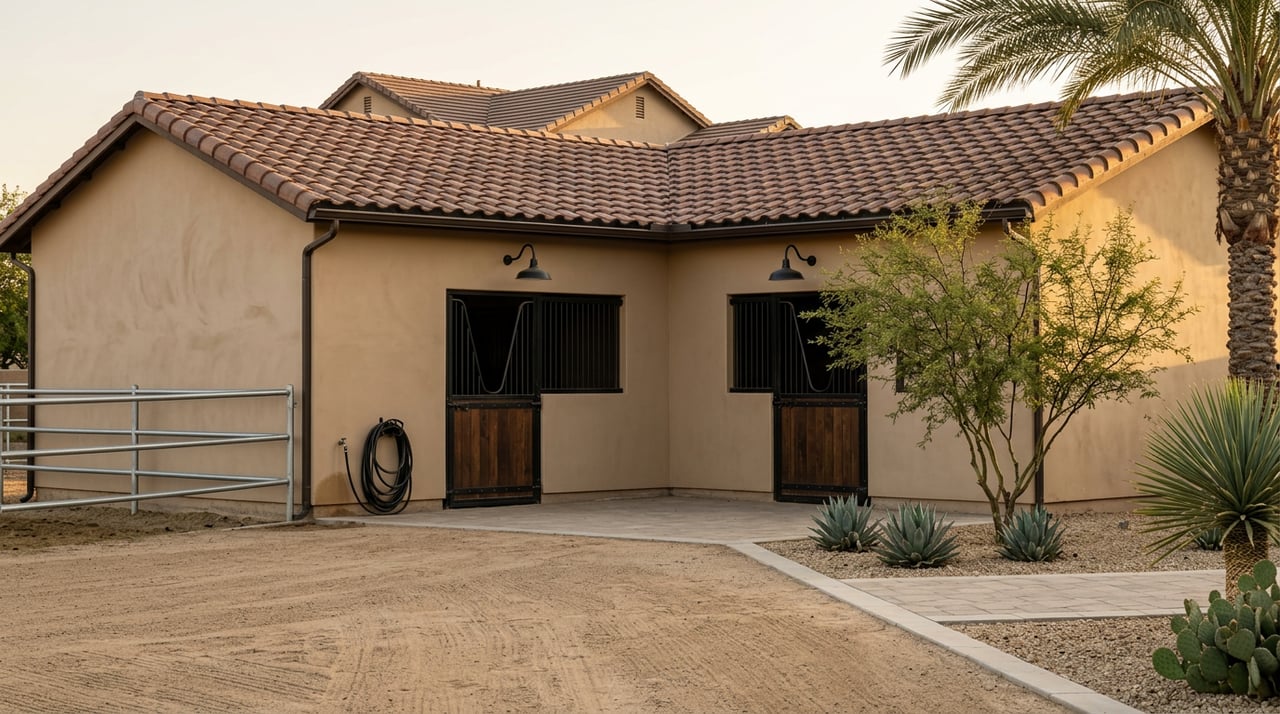
Dreaming of space to ride, keep your horses at home, and still stay close to Santa Clarita and Los Angeles? Acton’s 93510 zip offers that classic high‑desert ranch vibe many equestrians want. The key is knowing how to evaluate each parcel so your dream setup works for your horses and for you. In this guide, you’ll learn what to check for zoning and animal use, wells and septic, barn and arena permits, wildfire readiness, and local riding access. Let’s dive in.
Why Acton appeals to equestrians
Acton is a rural, horse‑friendly pocket with acreage, trail access, and room for arenas and barns. Nearby public lands, including the Angeles National Forest, offer marked trails and horse camps listed by the Forest Service. If trailering is part of your routine, you can stage rides at well‑known spots and explore miles of terrain identified for equestrian use by the Forest Service. If immediate trail access from your gate is a must, plan to verify it during due diligence.
Start with zoning and animal rules
Acton sits in unincorporated Los Angeles County, so county zoning and animal codes control what you can build and how many horses you can keep. Listings often reference zones like A‑2 or LCA variants. Before you rely on a listing note, confirm the official zoning designation and what that zone allows in the County Zoning Ordinance. You can look up a parcel in the county’s planning viewer using its APN and then review the ordinance language for that zone designation through the LA County planning map item page.
County animal and stable rules appear in the Los Angeles County Code, Title 10. These include definitions for stables and facilities, sanitation standards, and maintenance expectations for stalls and corrals. Reviewing these sections can help you confirm whether existing facilities are permitted or legally nonconforming. You can read a summary of Title 10 provisions here.
Practical zoning steps
- Ask the seller or agent for the APN, then verify the zoning in the LA County parcel viewer.
- If the listing mentions A‑2, LCA11, LCA21 or similar, pull the exact ordinance language for that zone and confirm allowed uses.
- Planning new or expanded facilities such as a barn, enclosed arena, paddocks, manure bins, fencing over standard heights, or grading for an arena? Contact LA County Regional Planning and Building & Safety early to understand permits and timelines.
Water and septic: no surprises later
Many Acton parcels rely on private wells or hauled water to tanks, and most use on‑site septic systems. That makes water production, water quality, and septic capacity central to your purchase. The Los Angeles Regional Water Quality Control Board has noted area‑wide wastewater controls in Acton, which underscores the need to confirm septic approvals and design capacity. You can see that regulatory context in a Water Board executive report.
What to verify for water
- Request the well log or completion report, any prior pump tests, and recent lab results for bacteria, nitrates, and salts.
- If reports are missing or outdated, order an independent 48 to 72 hour pump test and a full water quality panel.
- For shared wells, get the written well‑use agreement, recorded easement map, and details on cost sharing and replacement responsibilities.
What to verify for septic
- Ask for septic permits, as‑built drawings if available, and maintenance records. Confirm the permitted design capacity that corresponds to bedroom count.
- Hire a licensed septic inspector to evaluate tank size and the leach field’s condition.
- If no septic exists or changes are planned, order percolation and soils testing to confirm feasibility.
Red flags to watch
- Low‑yield or unreliable wells, or lab results showing unsafe water chemistry for households or livestock.
- Missing septic permits, undersized tanks, or failing leach fields that could require costly repairs or replacement.
- Unclear shared‑well agreements that complicate title or future upgrades.
Barns, arenas, grading: permit proof matters
Many ranch upgrades trigger permits, including new or replacement barns, enclosed stables or arenas, hay storage, larger sheds, electrical upgrades, permanent plumbing, septic work, and grading for arenas or pads. Grading can also require drainage and erosion controls. Ask for permit numbers and final approvals, and confirm with county staff if needed using resources linked through LA County’s planning map portal.
On‑site inspection checklist
- Barns and stalls: structure and roof condition, stall size and ventilation, electrical safety near bedding and hay, and presence of fire detection or extinguisher systems.
- Arenas: flatness, drainage, footing depth and material, perimeter fencing condition, dust control measures, and whether grading received approval.
- Hay and feed storage: adequate separation from structures, covered storage, no signs of prior wet hay, and truck access for deliveries.
- Utilities: electrical service capacity for well motors, barn panels, hot water, gates, and any monitoring systems.
- Access: driveway slope, gate width and placement, and turning radius that works for a truck and trailer.
Fencing, access, and easements
Walk the fence line and identify materials and condition. Pipe, rail, or visible‑wire systems are common choices. Avoid barbed wire in horse areas, and check for protrusions or broken rails. Observe paddock drainage and any muddy zones that could affect horse health.
Legal access and maintenance obligations also matter. On private roads, request recorded road maintenance agreements. Where cross‑fencing meets a neighbor’s livestock, confirm boundary locations and who is responsible for repairs.
Wildfire readiness and insurance
Acton borders wildland and often falls within mapped Fire Hazard Severity Zones. Parcels can be subject to defensible‑space and re‑sale inspection requirements. Check your property’s designation and local fire‑district rules using guidance from the LA County Fire Department’s hazard reduction programs.
Practical fire‑smart steps include ember‑resistant roof and siding materials where feasible, clear access for firefighting vehicles, defensible space, and on‑site water storage with portable pumps. Build and practice an evacuation plan with backup routes, trailer readiness, and current ID for each horse. For a handy overview, review this horse wildfire preparedness guide. Because fire risk can affect coverage and cost, get homeowner or farm‑exposure insurance quotes early once you have an address.
Riding access and community resources
If daily trail time is your goal, map how you will reach staging areas or connect to neighborhood bridle paths. The Angeles National Forest highlights horse riding and camping opportunities and staging areas used by local riders. Vasquez Rocks Natural Area also features marked trails and popular routes shown on the Vasquez Rocks trail map. During your search, confirm drive times to your preferred trailheads and whether the property connects to any established private paths.
Documents to request early
- APN and current zoning designation from the LA County parcel viewer.
- Building and grading permits with finals for barns, arenas, driveways, well, and septic.
- Well log or completion report, prior pump tests, and recent water‑quality lab results.
- Septic permits, maintenance records, and any percolation or soils tests.
- Recorded easements, road maintenance or shared‑well agreements, CC&Rs if applicable.
- Insurance claim history related to wildfire or other damage, if available.
- Recent property survey.
Who to hire and when
- Licensed home and acreage inspector with equine experience.
- Well contractor or hydrogeologist for pump testing and water quality.
- Septic system designer or registered OWTS inspector.
- Soils or geotechnical engineer if arena grading, steep slopes, or a new septic are in play.
- Land surveyor and real‑estate attorney for title, easements, and CC&Rs.
- LA County planner or permit consultant to confirm zoning and permit history.
Your Acton buyer timeline
- Week 0: Verify APN and zoning in the LA County parcel viewer. Write offers contingent on zoning, water, septic, and inspections.
- Week 1 to 2: Gather seller documents. Schedule well pump test and septic inspection.
- Week 2 to 3: Complete on‑site inspections for structures, fencing, electrical, and arena grading. Order soils or percolation tests if needed.
- Week 3 to 4: Review findings with specialists and check with county planning and Building & Safety if significant permits or changes are needed.
- Pre‑close: Confirm legal access on title and finalize any shared‑well or road agreements.
Quick buyer checklist: common issues
- Water supply limitations or poor water quality.
- Undersized or failing septic, missing permits, or challenging soils and slopes.
- Unpermitted barns, sheds, or arena grading.
- Erosion or ponding around paddocks and arenas.
- Fencing hazards in horse areas.
- Barn electrical and fire risks or inadequate on‑site water for firefighting.
- Access or easement gaps, or unclear private road obligations.
- Vegetation issues or weak forage that increase feed costs.
Ready to walk parcels in Acton?
Buying an equestrian property is part dream and part due diligence. With the right checks, you can land a ranch that fits your horses, your riding life, and your budget. If you want a local, no‑pressure guide to help you evaluate zoning, wells, septic, and permit history, connect with Bri King and the Prime Real Estate team.
FAQs
What should I verify first when buying horse property in Acton 93510?
- Start with zoning and animal rules, then confirm water well production and quality, septic permits and capacity, and any barn or arena permit history.
How do I confirm if a specific Acton parcel allows my planned horse facilities?
- Ask for the APN, verify the zoning in the LA County parcel viewer, and review the zone’s ordinance allowances. Contact Regional Planning for permit requirements.
Are private wells and septic systems common on Acton ranch properties?
- Yes. Many parcels rely on private wells or hauled water and use on‑site septic, so pump testing, water‑quality labs, and septic inspections are essential.
How does wildfire risk affect Acton equestrian properties?
- Parcels may be in mapped Fire Hazard Severity Zones that require defensible space and inspections. Check the designation and get insurance quotes early.
What inspections do I need beyond a standard home inspection for a horse property?
- Add a well contractor for pump testing, a septic inspector, and, if needed, a soils engineer. Also review fencing, arena grading, barn electrical, and access.
Where can I find nearby riding options if I buy in Acton?
- The Angeles National Forest lists equestrian trails and horse camps, and Vasquez Rocks has marked routes. Confirm trailer access and drive times during due diligence.