Buying in Agua Dulce can feel different from buying in a more urban part of Los Angeles County. Instead of assuming every home has standard city hookups, you may need to confirm how water, wastewater, power, fuel, and internet work on that specific parcel. If you are considering a home here, this guide will help you know what to verify before you write an offer and during your inspection period. Let’s dive in.
Why utilities matter in Agua Dulce
Agua Dulce is an unincorporated Los Angeles County community, and county standards specifically anticipate visible utility features such as pumps, water pipes, propane tanks, natural gas pipes, transformers, and electrical equipment. In practical terms, that means utility setups can vary from property to property rather than follow a one-size-fits-all city pattern. You can review that context in Los Angeles County’s Community Standards District information.
For you as a buyer, this changes the due diligence process. A home’s value and livability are tied not just to the structure and land, but also to how the property gets water, handles wastewater, powers essential systems, and connects to the internet.
Start with the water source
One of the first questions to ask is whether the property uses a private well, a shared well, or a small water system. Los Angeles County’s Drinking Water Program regulates well construction and decommissioning and monitors certain small water systems. That makes county records an important place to start.
If the home relies on a private well, remember that the well is generally the homeowner’s responsibility. The county says private wells should be tested regularly for nitrate, coliform bacteria, and primary inorganic chemicals, and the EPA recommends annual testing for total coliform bacteria, nitrates, total dissolved solids, and pH through a state-certified drinking-water laboratory.
Key well questions to ask
Before you move forward, ask questions like these:
- Is the property served by a private well, shared well, or small water system?
- Are there county records for permits, construction, repairs, or decommissioning?
- When was the water last tested?
- Were the tests completed by a state-certified drinking-water lab?
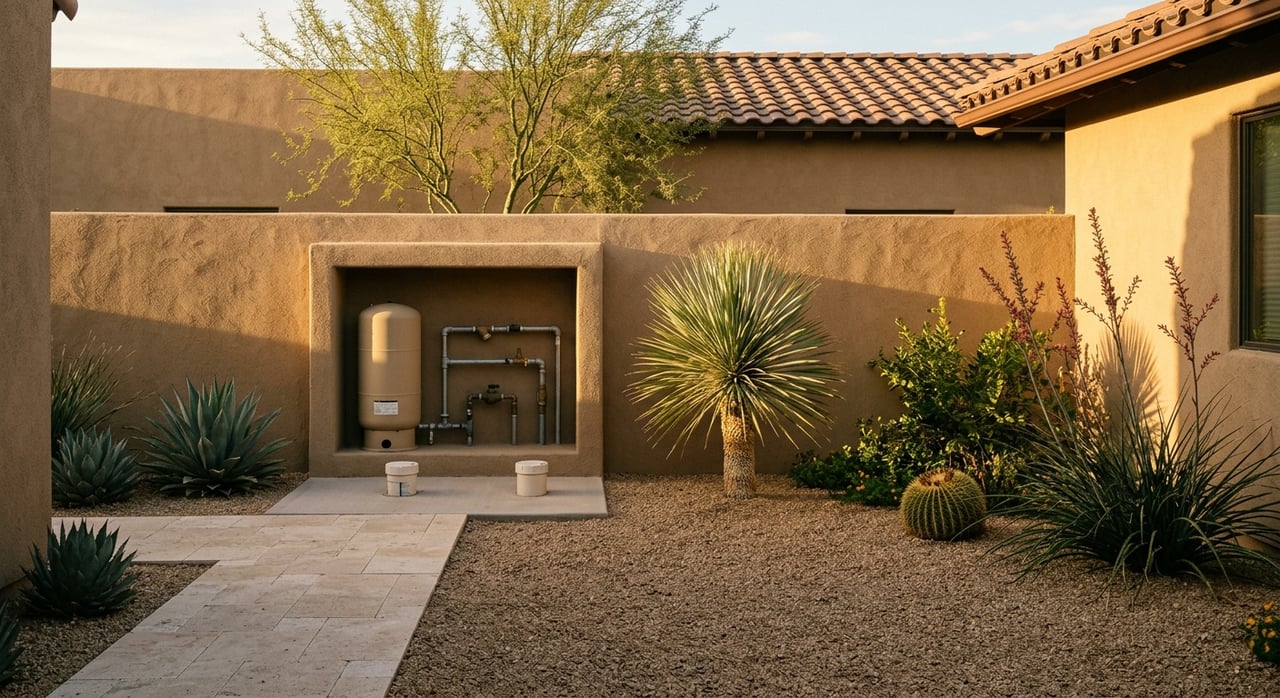
- Is there treatment equipment, a storage tank, or a pressure system on site?
- Has the source ever had nitrate, bacteria, or other water-quality issues?
These answers can help you understand both current water quality and potential future costs.
Why testing matters
Even if the water looks and tastes fine, that does not replace lab testing. County guidance says new, repaired, or reconstructed wells must meet California drinking-water standards before use, and ongoing testing is still important for private well owners. If recent results are not available, that is a good sign to discuss additional testing during your contingency period.
Septic systems deserve early attention
In Agua Dulce, wastewater may be handled by an onsite system rather than a public sewer connection. Los Angeles County’s Onsite Wastewater Treatment Program reviews and approves these systems in unincorporated areas using inspections, soil evaluations, percolation test data, and historical records.
That makes county file research especially useful when you are evaluating a property. You want to know how the system was approved, whether there are records on file, and whether the current setup appears to match the home as it exists today.
A septic inspection is smart
Los Angeles County does not require a septic evaluation at the time of sale, but the county says it is good practice for a buyer to request one as a condition of the offer. The county also notes that some lenders may require it, and that a qualified evaluator should hold a valid California Class A, B, C-42, or C-36 license, according to the county’s local agency management program FAQ.
The EPA also recommends having a septic system inspected before purchase. According to the EPA’s septic maintenance guidance, the average household system should be inspected at least every three years and typically pumped every three to five years.
Septic costs to keep in mind
Routine septic maintenance is usually far more manageable than major repairs. The EPA says normal maintenance often costs about $250 to $500 every three to five years, while repair or replacement of a conventional system can range from $5,000 to $15,000 or more.
That cost difference is one reason septic due diligence matters so much before closing. A relatively modest inspection cost can give you a clearer picture of the system’s condition and likely near-term needs.
Septic questions before making an offer
Use this checklist when you are reviewing an Agua Dulce property:
- When was the tank last pumped?
- Are there service records available?
- Is there a county approval file or prior evaluation?
- Where are the tank and drainfield located?
- Has the system ever backed up, overflowed, or created odors or wet spots?
- Will the existing system support the current bedroom count?
- If you plan to expand, will it support an addition or ADU?
Planning an ADU or expansion
If you are buying with future improvements in mind, wastewater capacity needs to be reviewed early. Los Angeles County’s ADU guidance for areas without public services explains that if a municipal sewer connection is within 200 feet, a new ADU must connect directly to sewer.
If sewer is not within that distance, the project may require modification of the existing onsite wastewater treatment system, installation of a new OWTS, or a new NOWTS. In other words, your plans for extra living space may depend on more than zoning or lot size.
Power and backup planning
Electric service for Agua Dulce appears under Southern California Edison’s Valencia service center, and SCE also identifies an Agua Dulce community resource center for Public Safety Power Shutoff events in its electrical service materials. For buyers, that means outage planning is part of everyday due diligence.
If the property relies on a well, this becomes even more important because well pumps need power. You may want to ask whether the home has any backup power solution, how essential systems perform during outages, and what the owner’s experience has been during shutoff events.
Ask about fuel setup too
Agua Dulce properties may use propane, natural gas, or another property-specific combination of services. County standards reference both propane tanks and natural gas pipes, which is a good reminder not to assume one utility setup from the next.
If you are planning future work like fencing, trenching, landscaping, or generator installation, SoCalGas says you should call 811 at least two business days before digging so underground lines can be marked. That advice is especially relevant on larger lots where utility paths may not be obvious.
Broadband is an address-level question
Internet availability in Agua Dulce should be verified by exact address, not by general area reputation. The FCC’s National Broadband Map guide lets you search a specific location and see which providers report service there and what technologies are available.
This matters if you work from home, rely on streaming, or need dependable service for daily life. Before your inspection period ends, confirm the exact parcel rather than assuming a neighboring property has the same options.
Your pre-offer utility checklist
Before writing an offer on a home in Agua Dulce, try to verify these items:
- Water source: private well, shared well, or small water system
- Well records: permits, construction details, repairs, and recent lab results
- Wastewater: septic or other onsite system, plus county records if available
- Septic condition: pumping history, inspection status, and signs of past issues
- Power: utility provider, outage history, and backup power options
- Fuel: propane, natural gas, or another setup
- Internet: parcel-specific service availability through the FCC map
- Future plans: whether current utility systems can support an ADU or expansion
A home can be a great fit and still require a more detailed utility review. In Agua Dulce, that is not a red flag by itself. It is simply part of buying wisely in a semi-rural market where infrastructure can vary from parcel to parcel.
Who to contact during due diligence
A strong buyer strategy often includes the right experts early in the process. Based on county and federal guidance, useful contacts may include:
- Los Angeles County Environmental Health for well permits, small water systems, septic records, and OWTS questions
- A state-certified drinking-water laboratory for well testing
- A qualified septic contractor or evaluator with the proper California license class
- Southern California Edison for service and outage-planning questions
- The FCC National Broadband Map and the reported provider for address-specific internet verification
The goal is simple: confirm the facts before you commit, not after closing.
If you are thinking about buying in Agua Dulce, having a local guide who understands how these property-level details affect the transaction can make the process much smoother. When you are ready to talk through a property, reach out to Bri King for thoughtful, no-pressure guidance tailored to your goals.
FAQs
What utilities should buyers verify for an Agua Dulce home?
- You should verify the water source, wastewater system, electric service, backup power options, fuel setup, and internet availability for the exact parcel.
What should buyers ask about a private well in Agua Dulce?
- Ask whether the home uses a private or shared well, whether county records exist, when the water was last tested, what equipment is installed, and whether the source has had any water-quality issues.
Does Los Angeles County require a septic inspection when buying in Agua Dulce?
- No, the county does not require a septic evaluation at the time of sale, but it says requesting one is good practice and some lenders may require it.
How often should a septic system be maintained for an Agua Dulce property?
- The EPA says a typical household septic system should be inspected at least every three years and pumped every three to five years.
How can buyers check internet service for a specific Agua Dulce address?
- You can use the FCC National Broadband Map to search by exact address and review which providers report fixed or mobile service at that location.
Why is backup power important for Agua Dulce buyers?
- Backup power matters because outage planning is part of normal due diligence in the area, and homes with well pumps may depend on electricity for water access.