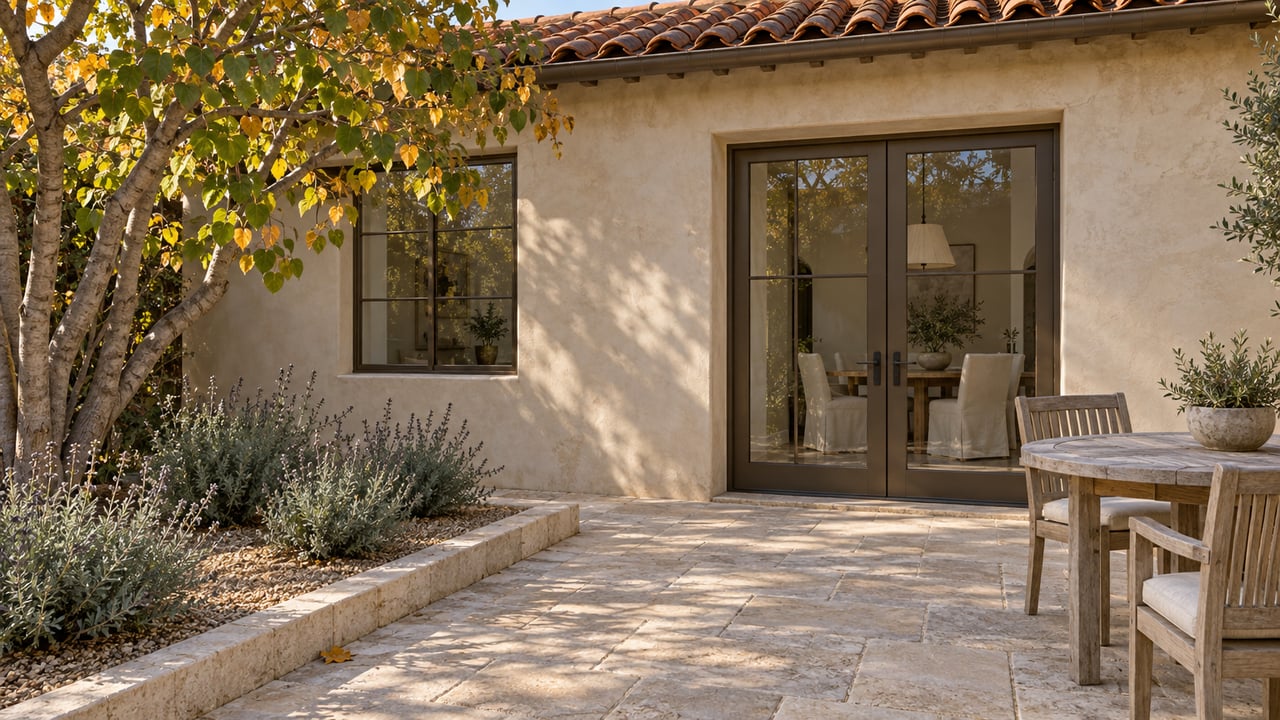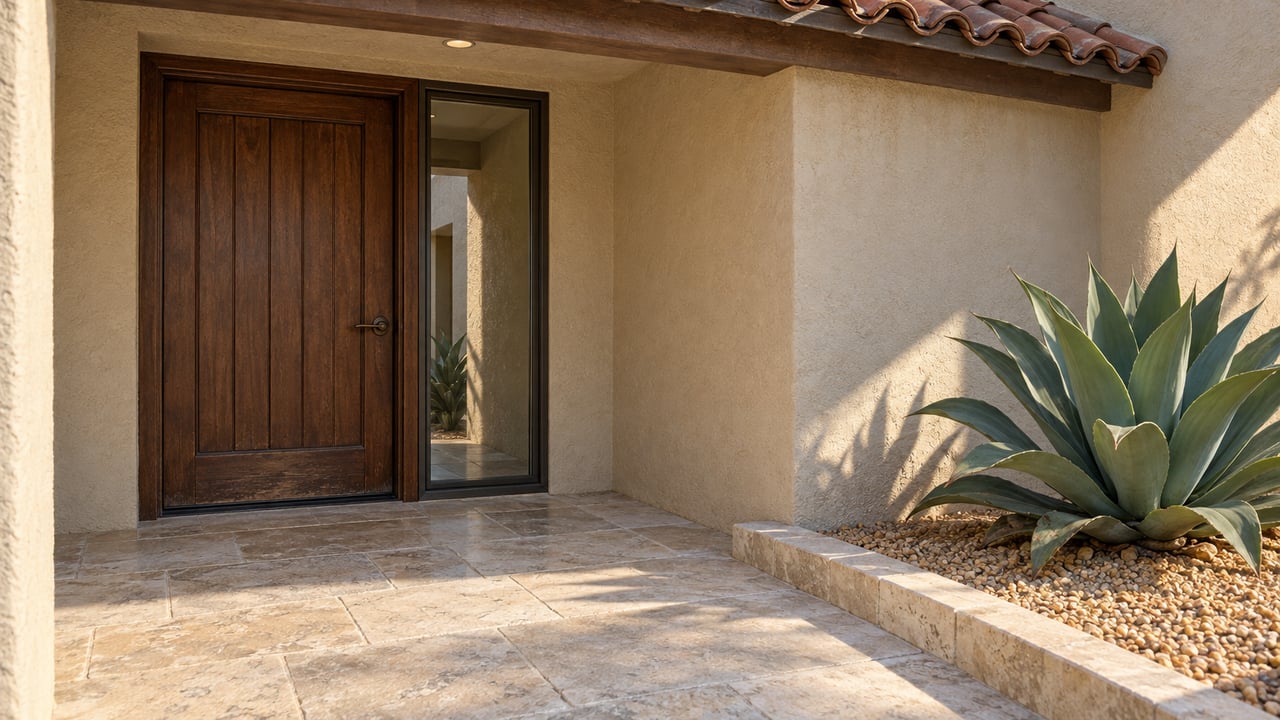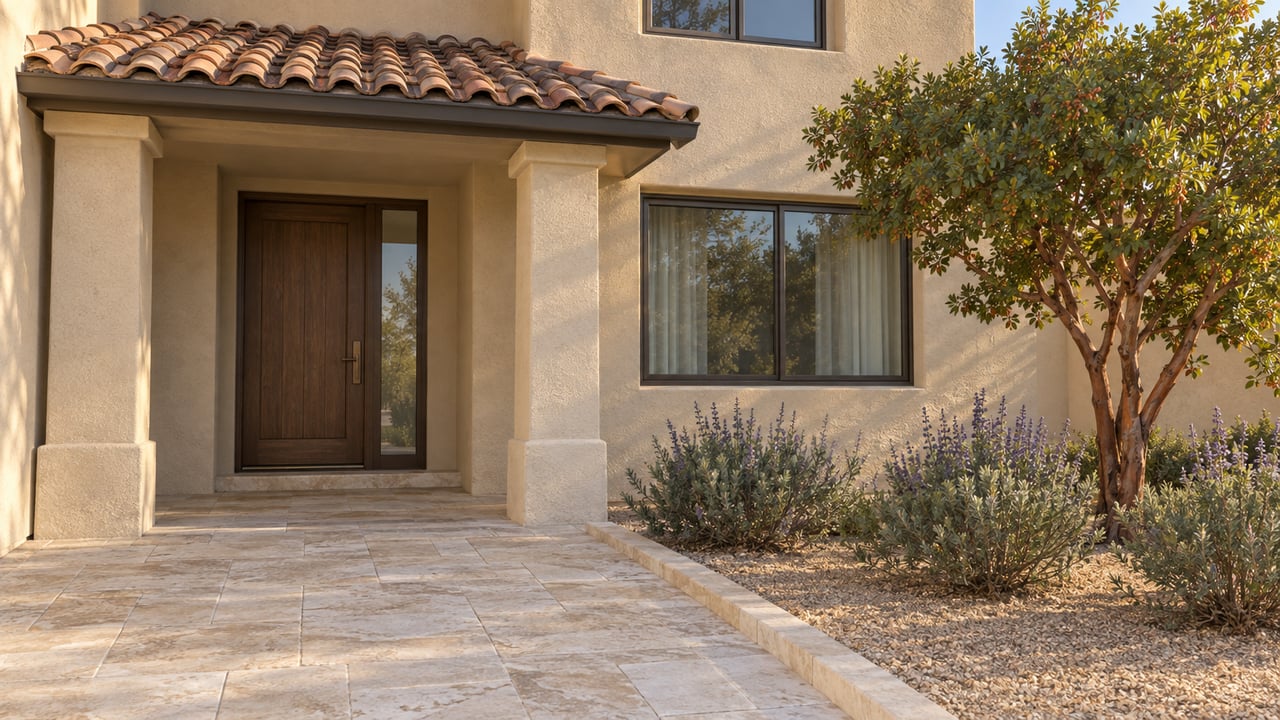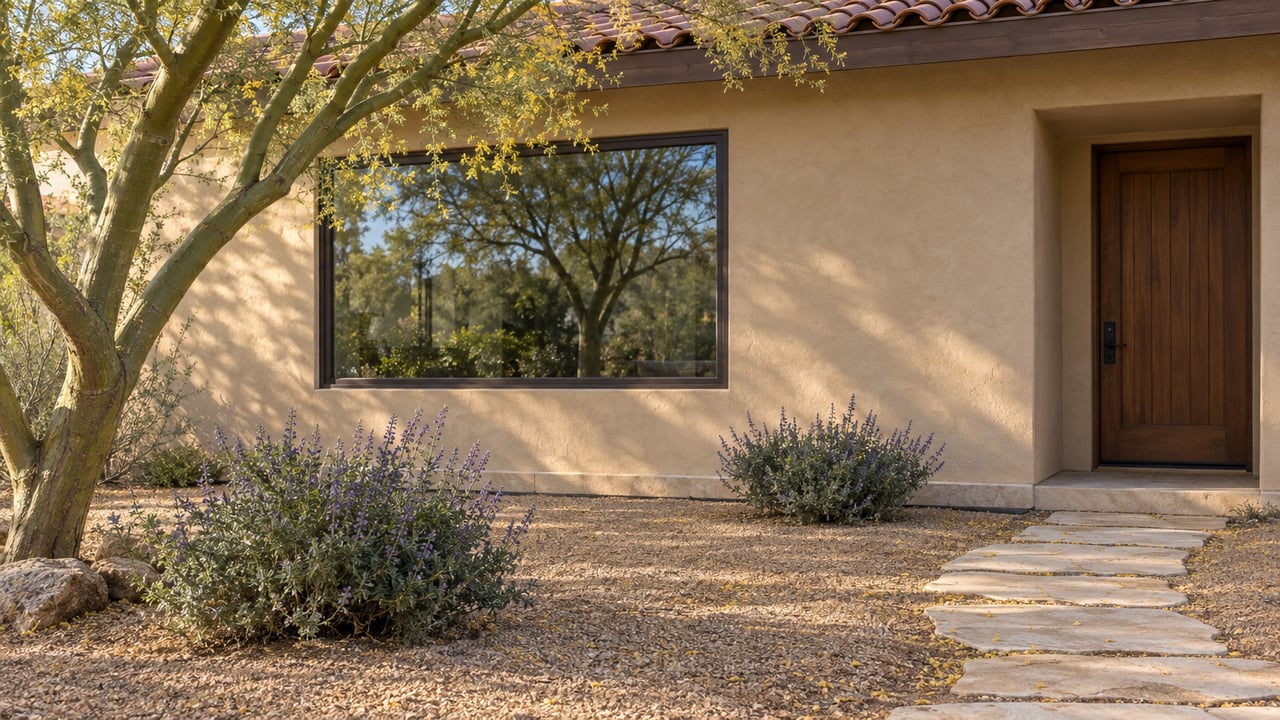
Picture two townhomes in different FivePoint Valencia collections. Same floor plan, same square footage, same list price down to the dollar. One buyer signs a purchase agreement expecting a monthly payment that matches the mortgage calculator. Six weeks later, at underwriting, their debt-to-income ratio comes in tighter than expected, not because the loan changed, but because the tax bill and the HOA statement added obligations the listing sheet never mentioned in dollar terms. The other buyer, two streets over, closes with a materially lighter monthly load for a home that looks nearly identical from the street.
The gap isn't a pricing error. It's the predictable result of how Valencia was built, and it's the kind of detail that only shows up when you pull the actual tax bill and HOA disclosure packet rather than trusting the listing price to tell the whole story.
The Tax Bill Has More Than One Line
Ask anyone who's bought new construction in Santa Clarita and you'll hear the term Mello-Roos treated like a single, uniform add-on. It isn't. In Valencia specifically, it's shorthand for several distinct Community Facilities Districts, each formed at a different time to pay for a different piece of infrastructure, each running its own bond schedule.
The City of Santa Clarita's own finance records describe CFD No. 2002-1, tied to the Valencia Town Center, which had its special tax bonds issued in October 2002 and later refunded in October 2012.
That variation is not visible on a listing page. It only becomes visible on the parcel's secured property tax bill, where each special tax appears as its own line item, separate from the standard 1 percent base rate. A home inside one district's boundary pays for that district's bonds. A home 500 feet away, inside a different district or no district at all, doesn't.
The HOA Is Sometimes Two HOAs
Layer a second variable on top of the tax bill and the picture gets more interesting. FivePoint's own FAQ for Valencia is direct about this: HOA fees vary depending on which home you buy, and some products, particularly low-maintenance townhomes, carry a separate sub-association fee in addition to the master community assessment. The master association, managed through FirstService Residential, covers the parks, pools, and shared programming that run across the whole community. A sub-association, where one exists, covers something narrower, often the building exterior, a private courtyard, or amenities specific to that collection.
The practical effect is a real spread in what "HOA dues" means from one Valencia address to the next. Some single-family sections carry a master-only assessment in the low hundreds per month. Certain townhome and paired-home collections, where a sub-association stacks on top of the master fee, can push total dues well past $1,200 a month. Two homes with the same square footage and the same asking price can carry HOA obligations that differ by close to a thousand dollars monthly, and neither number appears anywhere on the MLS sheet as a single figure. It has to be pulled from the builder's disclosure or the association's own statement.
What the Extra Line Items Are Actually Funding
None of this is arbitrary. The master HOA and the CFDs exist because Valencia's master plan called for a level of shared infrastructure that a standard subdivision doesn't attempt. Confluence Park sits at the center of the community as a 6.4-acre space built around a triple-pool complex, including a junior Olympic competition pool. Verve Park is organized around a stand of preserved heritage oak trees. The Eastlink Greenway threads the villages together with a walking, biking, and neighborhood electric vehicle path, complete with a pump track and a bike repair stand.
One detail worth separating out for anyone comparing dues across villages: Riparian Park, despite sitting inside the FivePoint footprint, is not an HOA amenity at all. It's an operating Los Angeles County park, open to the public, with basketball courts, a sports field, and a playground. It doesn't touch the master HOA budget the way Confluence or Verve does, which matters if you're trying to figure out what a given month's dues are actually buying versus what happens to be nearby and free.
The newest addition, Vantage Park, is scheduled to open later in 2026 with its own pool and spa, a community building, and a view terrace. Each new amenity like this typically means new maintenance obligations flowing through the master HOA budget going forward, which is one more reason the dues on a five-year-old home collection and a brand-new one within the same master plan don't always match.
The Ground Is Still Moving
This layering isn't a closed chapter from the 2000s. In 2025, Los Angeles County approved two additional villages within the Valencia by FivePoint master plan, opening the door to more homes, more commercial space, and more parks and trails. New villages generally mean new phases of construction, which historically has meant new CFDs formed to finance the infrastructure those phases require, plus new sub-associations tied to whatever home products get built there.
That has a direct implication for anyone shopping now. The same math that separates an older, CFD-free pocket of Valencia from a newer FivePoint tract will keep showing up as those two approved villages get built out. Bond terms on the districts already in place typically run 25 to 40 years from issuance, which means a district formed in 2002 is aging toward its later years while one formed in 2020 has decades left. Buyers comparing a home in an established village against one in a village still under construction should expect the tax and HOA math to look different, not despite the master plan, but because of it.
How to Get Your Actual Number Before You Write an Offer
The fix for all of this isn't complicated, but it does require asking for documents most buyers don't think to request until an agent or lender flags it.
- Pull the parcel's current secured property tax bill. Any CFD special tax will appear as its own line, separate from the base 1 percent rate.
- Request the Notice of Special Tax for that specific parcel. It states the current amount being charged, the maximum allowed under the district's formula, and how many years remain on the bond term.
- Get the HOA's disclosure packet directly, not a summary. It will confirm whether the home sits under a master-only structure or a master-plus-sub-association structure, and what each layer currently costs.
- Ask your lender in writing whether both the Mello-Roos figure and both HOA layers are included in the debt-to-income calculation behind your preapproval, not just the base mortgage payment. This is the single most common reason a buyer's number looks fine on a spreadsheet and then tightens at final underwriting.
- Note the formation or bond-issuance year for any CFD the parcel sits in. Comparing that year against the typical 25 to 40 year term gives a rough sense of how many years of payments likely remain.
None of these steps require a specialist. They require knowing which documents exist and asking for them before contingencies come off, not after.
A Few Questions Worth Settling Early
Does the Mello-Roos assessment ever go away? It does, once the underlying bonds are paid off, at which point that portion of the tax bill drops. The exact maturity year lives in the bond documents on file with the city, and it varies by district.
Is Riparian Park part of what my HOA dues pay for? No. It's a public Los Angeles County park within the Valencia by FivePoint footprint, separate from the master community association's budget.
Do all Valencia villages carry a sub-association fee on top of the master HOA? No. It depends on the specific home collection. Some single-family sections carry only the master assessment. Confirming which structure applies to a given address means checking with the builder or reviewing the recorded CC&Rs for that collection directly.
Two homes at the same price in Valencia can sit on very different long-term cost structures, and the only way to know which one you're looking at is to pull the actual tax and HOA paperwork rather than trust the sticker price to carry the whole conversation. That's the kind of parcel-level digging our team does before a client ever writes an offer. If you're comparing Valencia listings and want the real monthly number behind any of them, reach out to Prime Real Estate and start with your Instant Home Valuation.
This article is general information, not legal, tax or financial advice. Consult a qualified professional about your situation.